

Introduction: The Peace of Mind Every Parent Needs
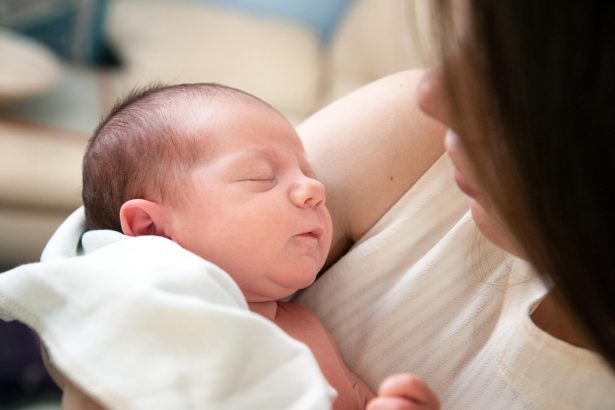
Imagine watching your baby sleep peacefully, their little chest gently rising and falling. As parents or caregivers, ensuring that this picture of serenity also represents a safe sleep environment is crucial. Today, we explore the best practices for baby sleeping positions to help you ensure your baby is not only sleeping soundly but also safely.
Understanding correct baby sleep practices is relevant because they can significantly reduce the risk of sleep-related dangers such as Sudden Infant Death Syndrome (SIDS). With simple knowledge and actions, you can create a safe sleeping environment that allows both you and your baby to rest easier.
Why This Matters
Ensuring your baby sleeps in a safe position is vital for their overall health and well-being. Safe sleeping positions can help:
- Minimize the risk of SIDS.
- Prevent suffocation or accidents during sleep.
- Support healthier physical development.
As sleep forms the backbone of your baby’s health and development, knowing and implementing safe sleep recommendations is essential for any caregiver.
Detailed Explanation: Safe Sleep Practices
What Are the Recommended Safe Sleeping Positions?
According to the American Academy of Pediatrics (AAP), the safest way for a baby to sleep is on their back. This position significantly reduces the risk of SIDS when compared to other sleeping positions. Here is a breakdown of what every caregiver should know:
- Back to Sleep: Always place your baby on their back at the beginning of every sleep, nap or night-time alike.
- Firm Sleep Surface: Use a firm mattress with a fitted sheet in a safety-approved crib.
- Keep Soft Objects and Loose Bedding Away: Ensure there are no pillows, blankets, stuffed toys, or bumpers around your baby while they sleep.
- Room-Sharing Without Bed-Sharing: While keeping the baby’s sleep environment in the same room where you sleep is encouraged, always ensure the baby has their own separate sleep space.
Maintaining a Safe Sleep Environment
- Temperature: Ensure the room isn’t too hot or cold; a suitable room temperature is around 68-72°F.
- Clothing: Dress your baby in appropriate sleep clothing such as a wearable blanket or a sleep sack that doesn’t go over their head.
- Pacifiers: Offering a pacifier at nap time and bedtime might help reduce the risk of SIDS.
Expert-Based Information
These guidelines are supported by extensive research and are endorsed by trusted bodies such as the AAP and the Centers for Disease Control and Prevention (CDC). These practices have been shown to decrease the risks associated with infant sleep environments dramatically.
Common Questions and Myths
Q: Can my baby sleep on their side?
A: No, babies placed on their sides can easily roll onto their stomachs. The back is the safest position.
Myth: “Back-sleeping is uncomfortable for babies.”
Correct: Babies are generally comfortable sleeping on their back unless they have certain medical conditions where a doctor suggests otherwise.
Practical Tips & Actionable Advice
Here’s a simple checklist for safe sleep:
- [ ] Always place your baby on their back.
- [ ] Check that the sleep surface is firm and free of soft bedding.
- [ ] Maintain a suitable room temperature and dress your baby appropriately.
- [ ] Keep soft objects away from the sleep area.
Do’s and Don’ts:
- Do regularly check on your baby.
- Don’t use sleep positioners or wedges.
Conclusion: Rest Assured
By following the best practices for baby sleeping positions, you are providing a strong foundation for your baby’s safety and well-being. While it might seem overwhelming at first, these simple steps can become second nature with a little practice. Remember, the safest sleep environment is one that combines awareness with action. Feel free to share this information or consult a pediatrician if you have any concerns. Sweet dreams to your little one, and peaceful rest to you!