

Introduction: What Baby Milestones Tell Us About Development
Watching a baby grow and change is one of life’s greatest joys. From a newborn’s first smile to their first steps, each milestone is a sign of healthy development. Recognizing these key milestones helps parents and caregivers ensure their baby is thriving and can offer clues when extra support might be needed. This guide will explore what these milestones are, why they matter, and how you can track your baby’s progress through the exciting first years of life.
Why This Matters
Understanding the signs of healthy baby development is more than just waiting for those heartwarming moments. It serves a practical purpose by providing benchmarks that help gauge a baby’s growth and neurological development. Knowing these milestones can also reassure parents that their baby is on track or alert them to potential concerns, which, if caught early, can often be addressed more easily with healthcare providers.
Real-World Relevance
In practical terms, being informed about your baby’s development can help in making parenting decisions, preparing for educational needs, and engaging in enriching activities that support growth.
Detailed Breakdown of Key Milestones
Newborn to 3 Months
Physical Development:
- Reflexes: Grasping, sucking, startling
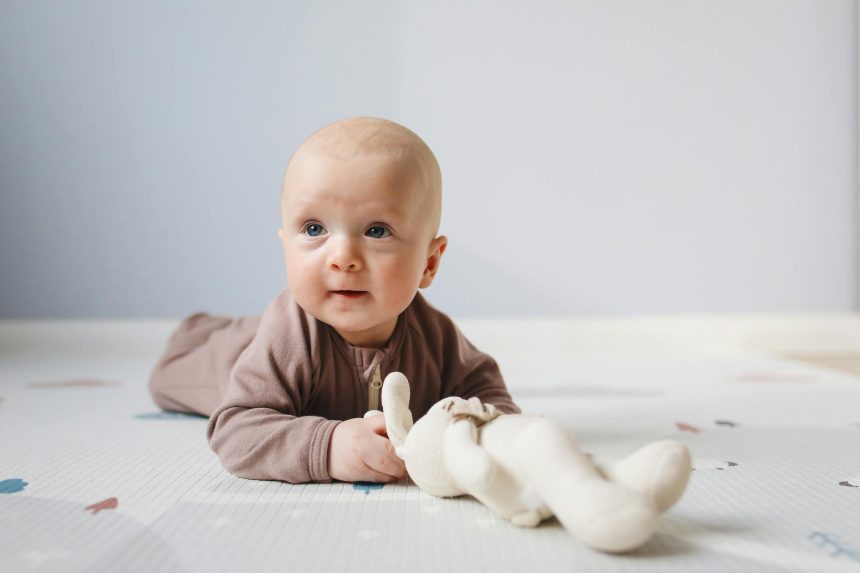
- Motor Skills: Can lift head while on the stomach
Social and Emotional Development:
- Interaction: Makes eye contact, responds to voices
Cognitive Development:
- Sensory Awareness: Follows objects with eyes
4 to 6 Months
Physical Development:
- Coordination: Reaches for and grasps toys
- Mobility: May roll over from stomach to back
Social and Emotional Development:
- Responses: Smiles spontaneously, enjoys playing with people
Cognitive Development:
- Curiosity: Shows interest in mirror images
7 to 12 Months
Physical Development:
- Crawling: Most babies begin to crawl
- Fine Motor Skills: Can pick up small objects with thumb and finger
Social and Emotional Development:
- Fear of Strangers: May become clingy with familiar adults
- Communication: Babbles, uses gestures to communicate (e.g., waving goodbye)
Cognitive Development:
- Problem Solving: Looks for hidden objects
13 to 24 Months
Physical Development:
- Walking: Most children take their first steps
- Dexterity: Begins to use spoons, builds towers of blocks
Social and Emotional Development:
- Imitation: Mimics behavior of others
- Independence: Shows signs of wishing to do things alone
Cognitive Development:
- Language: Begins to say single words, then simple sentences
Expert Insights
According to the American Academy of Pediatrics, these milestones act as a guideline and not a strict rulebook. Each child develops at their own pace, but knowing what to expect can help parents provide the right support.
Common Questions and Misconceptions
Q: What if my baby hasn’t reached a milestone?
If your baby hasn’t reached a milestone, don’t panic. Some children take longer than others. However, it’s a good idea to discuss any concerns with a pediatrician.
Misconception: Milestones are the only indicator of health.
While important, milestones are just one aspect of a baby’s health. Regular check-ups with a doctor are essential to monitor all areas of growth and development.
Practical Tips & Actionable Advice
Checklists for Tracking Development
- Create a simple chart to keep track of when your child achieves each milestone.
- Note variations and share these with your pediatrician during check-ups.
Best Practices
- Engage actively with your baby through talking, playing, and reading.
- Provide a safe, stimulating environment with age-appropriate toys.
Do’s and Don’ts
- Do: Encourage your baby at each stage of development.
- Don’t: Compare your child’s progress to others. Each baby is unique.
Conclusion: Keep Observing, Keep Learning
Recognizing and understanding key milestones in baby development helps you support your child’s growth and builds a foundation for their future well-being. Remember, every baby is different, and these milestones are guides, not deadlines. Embrace each stage of your baby’s development, and if you ever have concerns, don’t hesitate to consult your pediatrician for personalized advice. Continue to learn, observe, and enjoy each moment of your parenting journey.