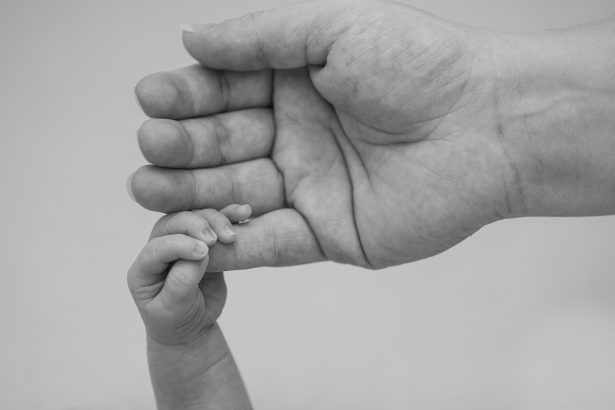



Understanding the Benefits and Techniques of Baby Massage: A Guide for New Parents
Have you ever watched a parent gently massaging their baby and wondered why they do it? Baby massage is not just a way to calm a fussy child but is a time-tested method that fosters bonding and helps alleviate discomfort from common infant ailments. If you are a new parent or caregiver, learning about baby massage can both enhance the way you connect with your baby and improve their well-being.
Why Baby Massage Matters
Baby massage is an essential, nurturing practice that involves gently rubbing a baby’s muscles and skin in a soothing manner. This not only calms the baby but can significantly contribute to their physical and emotional development. Here’s why embracing this gentle practice can be a game changer:
- Promotes Bonding: Physical touch helps strengthen the emotional bond between parents and their baby.
- Enhances Sleep: Regular massage can help regulate sleep patterns, making bedtime a smoother process.
- Relieves Discomfort: It helps alleviate the pain from gas, colic, and teething.
- Improves Health: Massage stimulates the digestive and circulatory systems, boosting overall health.
The Techniques of Baby Massage
Getting Started: Setting the Scene
- Choose a Quiet Time: Preferably when your baby is relaxed but alert, not right after a meal.
- Create a Calm Environment: Use a warm room with soft lighting. You might play gentle, soothing music in the background.
- Use Safe Products: Opt for mild, non-irritating baby oils or lotions that are safe for your baby’s sensitive skin.
Basic Massage Strokes
- Tummy: Gently circle your hands clockwise around your baby’s navel to help with digestion.
- Limbs: Use a gentle “milking” stroke on their arms and legs, moving your hands from shoulders to wrists and from thighs to ankles.
- Face: With your thumbs, make soft, sweeping motions across the forehead and down the cheeks.
- Back: Lay your baby on their stomach. Make long, smooth strokes from shoulders to feet.
Expert Tips and Best Practices
While baby massage is beneficial, it is crucial to approach it correctly to ensure it is a pleasant experience for your baby.
- Watch for Baby’s Cues: Your baby will tell you if they enjoy the massage. Look for smiles and coos as positive signs.
- Be Gentle: Babies are delicate. Use light touches and gentle strokes.
- Consistency is Key: Integrating massage into the daily routine is more beneficial than sporadic sessions.
Common Questions and Myths
Q: When is the best time to start baby massage?
A: You can start as early as you feel comfortable. However, many parents wait until the baby’s umbilical cord stump falls off to begin belly massages.
Myth: Baby massage can fix all sleep problems.
While massage can help establish better sleep patterns, it’s not a guaranteed solution for all sleep issues. Environment, health, and different developmental stages also play significant roles.
Practical Tips for Successful Baby Massage
- Keep Everything Handy: Have all items you might need within reach before you start.
- Stay Relaxed: Babies can pick up on your emotions, so try to be calm and relaxed.
- Talk and Sing: Use this time to talk or sing softly to your baby, enhancing the emotional connection.
Actionable Checklist:
- [ ] Set up a warm, comfortable space for massage.
- [ ] Select a fragrance-free, hypoallergenic baby oil or lotion.
- [ ] Decide on a routine time that suits you and your baby best.
- [ ] Learn and practice basic massage strokes.
- [ ] Observe how your baby responds during and after the massage.
Concluding Thoughts
Baby massage is more than just a method to soothe your baby. It is a powerful tool that promotes emotional and physical health and strengthens the bond between you and your child. While it might seem daunting at first, with patience and practice, massage can become a cherished part of your daily routine. Why not give it a try and see how your little one responds? Remember, the goal is to relax and enjoy this special time with your baby.