


Introduction: Understanding Baby Sleeping Positions
When it comes to taking care of an infant, ensuring a good night’s sleep is vital for both the baby and the parents. While it might seem simple, the topic of baby sleeping positions is more complex than just laying your baby down and hoping for the best. “Exploring Baby Sleeping Positions: A Guide to Safety and Comfort” brings to light the best practices that promote safe sleeping habits for infants, which are crucial in preventing sleep-related risks including Sudden Infant Death Syndrome (SIDS). Whether you’re a new parent, grandparent, or caregiver, knowing these guidelines can be a game-changer, ensuring your little one is not only comfortable but also safe throughout their sleep.
Why This Matters
The positioning of a baby during sleep is more significant than many may assume. It influences their safety, comfort, and overall health. Using the correct sleeping positions can drastically reduce the risk of SIDS, one of the leading causes of death in infants under one year old. Understanding and applying safe sleep practices ensures peace of mind for you and promotes better, uninterrupted sleep for your baby.
A Breakdown of Safe and Comfortable Sleeping Positions
The Best Sleeping Position
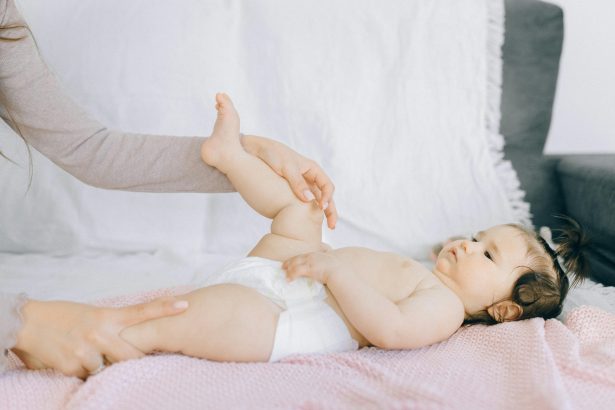
- Back to Sleep: Experts from the American Academy of Pediatrics (AAP) strongly recommend placing your baby on their back for every sleep, both during naps and at nighttime. This position is considered the safest and has been linked to a significant decrease in the incidence of SIDS.
Positions to Avoid
- Stomach Sleeping: Placing a baby on their stomach to sleep is strongly discouraged unless recommended by a healthcare provider for specific medical conditions.
- Side Sleeping: This can also pose a risk as infants can roll onto their stomachs more easily than if they start on their back.
Expert Recommendations and Best Practices
According to healthcare professionals and organizations such as the AAP, the sleeping environment is just as crucial as the position. They recommend a firm mattress in a safety-approved crib, covered by a fitted sheet with no other bedding or objects, including pillows, blankets, or toys, which could obstruct the baby’s breathing.
Common Questions and Misconceptions
- Can I switch to stomach sleeping if my baby seems uncomfortable on their back? No, babies typically adjust to the back sleeping position with time. Consistency is key.
- Will my baby choke if they vomit while on their back? No, healthy babies naturally turn their heads to avoid choking, and this position does not increase their risk of choking.
Practical Tips for Ensuring Safe Sleep
- Use a firm and flat sleep surface such as a mattress in a safety-approved crib, covered with a fitted sheet.
- Keep soft objects and loose bedding away from the baby’s sleep area to prevent suffocation.
- Consider using a wearable blanket or sleep sack as an alternative to loose blankets.
Best Practices Checklist
- Always place the baby on their back to sleep.
- Use a firm, flat mattress in a safety-approved crib.
- Keep the sleep environment clear of soft objects and loose bedding.
- Maintain a comfortable room temperature to avoid overheating.
Conclusion: Embrace Safe Sleep Practices
Understanding the essentials of baby sleeping positions is not just about following rules—it’s about creating a safe, comfortable environment where your baby can thrive and grow. By sticking to the safe sleep guidelines endorsed by experts, you’re laying the foundation for good sleep habits that benefit your child’s health and development. If you ever feel uncertain about your baby’s sleeping conditions, don’t hesitate to consult your pediatrician for guidance. Let’s ensure that every night and naptime is a safe time for our little ones.