


Introduction to Baby Sleeping Positions Safety
Imagine bringing your newborn home for the very first time. As a new parent, your number one priority is ensuring your baby’s safety and wellbeing, especially during sleep when you cannot keep a constant eye on them. Knowing the safest sleeping positions for your baby can ease your worries significantly and guarantee your little one’s safety. This guide will help demystify the best practices for baby sleeping positions, explaining why they matter and how to implement them correctly.
Why Understanding Baby Sleeping Positions Safety Matters
When it comes to newborns, sleep isn’t just about closing their eyes for several hours. It’s a crucial part of their development and health. Safe sleeping positions prevent risks such as Sudden Infant Death Syndrome (SIDS), which can be linked to improper sleeping postures. Understanding and practicing safe sleeping positions can offer peace of mind while also ensuring your baby grows healthy and strong.
Detailed Explanation of Safe Baby Sleeping Practices
What is the Safest Sleep Position for Babies?
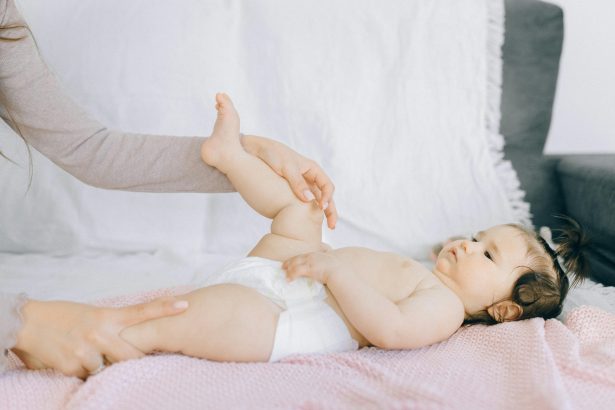
- Back to Sleep: Always place your baby on their back for every sleep time — naps and overnight. This position is safest and reduces the risk of SIDS.
Creating a Safe Sleep Environment
- Firm Sleep Surface: Use a firm mattress covered with a fitted sheet. Avoid soft bedding including pillows, blankets, sheepskins, or crib bumpers.
- Room Sharing, Not Bed Sharing: It’s recommended that babies sleep in the same room as the parents but on a separate surface designed for infants, like a crib or bassinet.
- Keep It Simple and Safe: No toys or loose bedding should be in the baby’s sleep area. These items can pose suffocation hazards.
Supported by Experts’ Advice
According to the American Academy of Pediatrics (AAP), these guidelines are not just recommendations but necessities for ensuring your baby’s safety. Following these simple steps can significantly reduce the risk of sleep-related issues.
Common Questions and Myths
-
Q: Can my baby sleep on their side?
-
A: Babies should always sleep on their backs. Side sleeping can accidentally lead to rolling onto the stomach, which increases the risk of SIDS.
-
Myth: “Back-sleeping is uncomfortable for babies.”
-
Fact: Back-sleeping is not only comfortable but also the safest sleep position for babies. Any slight discomfort is vastly outweighed by the safety benefits.
Practical Tips and Actionable Advice
Checklist for Safe Baby Sleep:
- Back Position Only: Always place baby on their back.
- Firm Mattress: Ensure the sleeping surface is firm and covered by a fitted sheet.
- Remove Loose Items: Keep the sleep area free from toys, pillows, and blankets.
- Temperature Awareness: Ensure the room is not too hot or cold. Dress the baby appropriately for the sleep environment.
Best Practices:
- Monitor room temperature and keep it comfortable for a lightly clothed adult.
- Regularly check the crib for any loose screws or broken parts.
Do’s and Don’ts:
- Do: Use a wearable blanket or sleep sack if concerned about warmth.
- Don’t: Don’t use wedges or sleep positioners despite marketing claims. These are not safe and not recommended.
SEO Optimization
Understanding these baby sleeping best practices is vital for new parents and caregivers. Incorporating safe sleep guidelines into your daily routine ensures your baby remains safe during those precious sleep moments.
Strong Conclusion
By understanding and implementing the safe sleep positions and environments recommended, you are setting a strong foundation for your baby’s health and safety. Remember, each small step is a big stride towards preventing risks like SIDS. While it can feel overwhelming, relying on vetted expert guidelines helps simplify this critical responsibility. Always feel free to consult with your pediatrician for advice tailored specifically to your baby’s needs. Sleep easy knowing you are doing your best for your child’s well-being.
Stay positive and diligent as you enjoy this incredible journey of parenthood!